Trails on Celluloid: Backcountry Moments, Grain and All

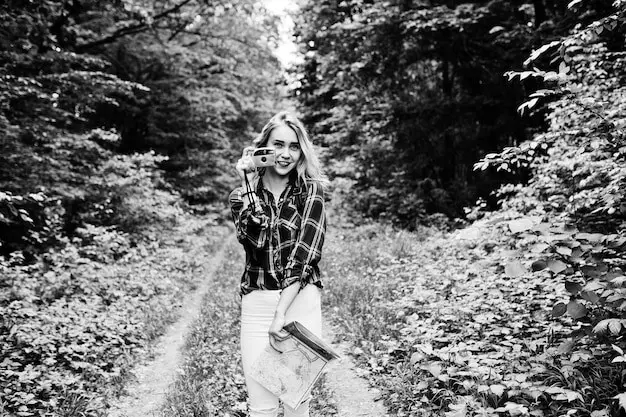
Today we dive into Film Photography in the Backcountry: Capturing Trails the Old-Fashioned Way, trading batteries and burst modes for quiet shutters, measured steps, and patient light. We’ll explore how to pack lean, judge exposure without screens, protect fragile emulsion from weather, and craft stories that honor the land. Expect practical checklists, trail-earned anecdotes, and encouragement to share your prints. Subscribe, ask questions, and let your next hike be guided by intention, texture, and the soulful surprise hidden in every developed frame.

Rugged Cameras That Keep Clicking

Mechanical reliability beats menu depth when miles stretch long. Classic companions like the Nikon FM2, Pentax K1000, Olympus OM-1, or a compact rangefinder shrug off cold mornings and thin air. A simple shutter, bright finder, and tactile controls let you work by feel with gloves on. Consider a lightweight tripod or trekking pole adapter, a cable release, and a body cap to keep out grit. Test everything at home, then trust it on the ridge.

Film Stocks for Wild Light Shifts

Backcountry light changes quickly as clouds slide and canyons turn. Portra 400 forgives missteps and sings with skin tones at camp; Ektar 100 rewards blue skies and alpine lakes; Tri‑X or HP5+ welcome contrast and push beautifully at dusk. Pack a few rolls of a single stock to simplify metering decisions. Label canisters with speed and intent, and keep one fast roll handy for forests, storms, or shaded switchbacks where exposure narrows and scenes demand responsiveness.

Meters, Notes, and Redundancy

A small incident meter or reliable spot meter steadies judgment when the sun knifes through trees. Pair it with a pocket notebook that logs frame numbers, locations, and settings, so your future self recognizes patterns and mistakes. Tuck spare batteries for meters, a backup cable release, and a strip of gaffer tape around a water bottle. Redundancy should be light and strategic: one extra roll, one extra seal, one extra pen. Clarity today preserves stories tomorrow.

Pack Light, Shoot Deliberate

Out there, every gram matters and every frame counts. Choosing a sturdy, compact body, a small set of dependable lenses, and film stocks with forgiving latitude keeps your stride steady and your decisions focused. Build a kit that rewards slowness, records light honestly, and survives rain, dust, and jolts. Bring only what you’ll truly use, document your exposures, and leave space for snacks, layers, and safety gear. Share your own minimalist loadouts in the comments to help others find balance.

Sunny 16 in Forest, Snow, and Stone

The baseline is simple: f/16 at 1/ISO in bright sun. But spruce shade may steal two stops, canyon walls another, and snowfields can trick you toward underexposure. Train your eye by guessing first, then confirming with a meter. In mixed light, meter the mid-tones you care about, placing detail where it matters. Remember that negative film forgives overexposure more than underexposure. With practice, your choices become calm, even when clouds race over the pass.

Bracketing When Every Frame Counts

Three frames can feel extravagant when your roll is almost spent, yet a subtle bracket often preserves mood in volatile light. Try a centered exposure, plus one over and one under, especially around waterfalls, snow, and sunlit fog. Keep brackets tight to maintain narrative continuity across frames. Record which version best matched your intention, then refine next time. Bracketing isn’t indecision; it’s rehearsal for precision on future, more confident clicks where resources run thinner.

Filters That Shape Sky and Texture

A circular polarizer deepens skies, tames glare on water, and reveals rock grain after rain. For black‑and‑white, yellow or orange filters lift clouds and separate foliage tones; red dramatizes horizons but risks heavy contrast. Neutral density slows streams for silk without resorting to extreme apertures. Graduated filters can balance bright skies over dark valleys if you compose carefully. Keep filter changes deliberate and minimal, stow them dust-free, and remember each glass decision rewrites how the scene breathes.

Protecting Emulsion in Harsh Terrain
Emulsion is brave yet vulnerable: moisture swells it, heat fogs it, and grit scars it. Build gentle barriers without overburdening your pack. Double-bag rolls in zip pouches with silica packets, stash cameras inside padded inserts, and avoid leaving gear in direct sun while resting. In freezing weather, keep film near your body, then let gear acclimate slowly indoors to prevent condensation. Share your weatherproofing hacks and near-disaster saves so others can carry confidence into wild weather.

Compose Stories That Walk

Hiking rhythm pairs beautifully with deliberate framing. Trails carve lines that invite the eye forward; ridges layer depth; hikers provide scale and narrative. Pause where the land naturally breathes, wait for wind to settle grass, and let silence guide timing. Think in sequences, not isolated trophies, allowing contact sheets to carry beginnings, middles, and endings. When you return, tell us about the frame you nearly missed but patiently earned, and what the waiting taught you about attention.

Respect the Wild, Embrace the Pace

Analog encourages quiet choices that suit fragile places. Step with care, keep tripods off cryptobiotic soil, and yield to wildlife without pushing for frames that compromise their safety. Silence the impulse to chase; let moments find you. Share prints with trail crews, rangers, and friends who taught you a route, strengthening communities that steward access. If these reflections resonate, subscribe and tell us how slowing down outside shifted how you see, both through glass and beyond it.

From Pack to Darkroom

The journey continues after the trailhead. Accurate notes translate into reliable lab instructions, consistent development, and contact sheets that teach. Push or pull with intention, then archive like an historian: sleeves labeled, dust minimized, and scans sequenced to preserve narrative flow. Share your scanning setups, favorite labs, and tips for color management so others can refine their end-to-end process. If this guide helped, subscribe and tell us which frame, once developed, most surprised you back at home.
Farivexonovimexo
Privacy Overview

This website uses cookies so that we can provide you with the best user experience possible. Cookie information is stored in your browser and performs functions such as recognising you when you return to our website and helping our team to understand which sections of the website you find most interesting and useful.