Analog Trails and Crafted Living: Hands, Hearth, and Honest Pace

Today we walk into Analog Trails and Crafted Living, welcoming the quiet certainty of footsteps on real ground, the hum of a hand tool, and the patience of processes that honor time. Expect practical ideas, tender stories, and experiments you can try tonight. Share your rituals, ask questions, and subscribe for slow letters that continue this conversation, because sturdy change grows when many hands, hearts, and households learn together and celebrate what lasts.

Sensing the World Without Screens

Presence sharpens when pockets stay silent and soles find dirt, gravel, or rain-darkened boards. Walking becomes research, prayer, and design critique at once, as edges, shadows, and smells offer cues about durability and care. Bring a pencil, leave the timeline closed, and tell us what you noticed first, because the smallest observation can rewire how you cook, build, write, and welcome others into your day.

Footpaths as Mentors

A path teaches through scuffs, puddles, and the way grass leans after wind. I learned a creek-bank shortcut from an elderly neighbor who tapped a cane against roots, naming them like old friends. Try mapping your favorite walk from memory afterward, then compare it on return. Share your sketch, and describe one scent or texture that surprised you more than any view.

The Notebook Habit

A small stitched notebook becomes a portable porch, catching fragments before they vanish. Jot measurements, overheard wisdom, a grocery list of screws and plums, or a failed idea you’ll redeem later. Ink slows thoughts just enough to reveal edges. Post a photo of three pages you filled this week, blur anything private, and invite a friend to annotate your margins with encouragement and questions.

Crafting Daily Rituals That Hold

Rituals anchor decisions before fatigue steals intention. A kettle set early quiets the morning; a five-minute tidy of tools protects tomorrow’s momentum. Tie actions to places: apron hook, pencil by the door, mending basket by the lamp. Share your two smallest rituals below, the ones that ask almost nothing but return focus and peace, and tag a friend who might borrow your gentle choreography.

Tools that Last and Stories They Carry

A durable tool is a promise you make to future mornings. Scarred handles record ownership better than ink, and maintenance turns chores into care. Sharpening stones, linen rags, and beeswax align materials with dignity. Tell us about one object you reach for weekly that never lies to you. How did it enter your life, and what responsibility did it quietly place in your hands?

Grandfather’s Hand Plane

The first time I set the iron too deep, the board complained loudly, and the curls looked like torn paper rather than ribbons. My grandfather laughed, then taught me to listen for a low whisper. Now, each pass becomes an apology and a vow. Share your oldest hand tool, its quirk, and the little ritual you perform before it sings properly again.

A Field Camera’s Unhurried Frame

Under a dark cloth, breath steadies and composition becomes moral as well as visual. Choosing one exposure asks you to say no a hundred times. The negative waits like winter soil, patient and full of potential. If you shoot film, list your favorite stock and meter habit. If not, describe a decision practice that slows you down enough to notice consequence.

Thirty-Six Exposures, Thirty-Six Intentions

A single roll forces you to pre-visualize shadow, highlight, and story. My habit: one portrait, one texture, one doorway per walk. I write settings on the leader, guessing before the meter, then learn from the lab envelope’s truth. Share three intentions for your next outing, and later, return with what surprised you when the negatives asked for patience before they revealed themselves.

Letters That Travel Slower, Land Deeper

Ink on paper carries weight fingers can measure and keepsakes can keep. I’ve watched apologies soften through cursive curves, and gratitude grow roots across miles. Choose paper you enjoy touching, and stamps that hint at delight. Tell us who deserves a note from you this week, and what sentence you’ll write by hand that email would have rushed past without reverence.

Sketchbooks with Dirt Under the Nails

Draw after you dig, while the soil still remembers your grip. Record a tool’s silhouette, the curve of a leaf, or the seam you just stitched. Pages accumulate into a ledger of attempts rather than masterpieces. Photograph one spread, even if it feels clumsy, and share the single line or smudge that taught you more than any perfect, endlessly edited picture could.

A Pantry that Remembers Summer

Shelves lined with jars glow like stained glass at dusk, each seal a small victory against waste and rush. Tomatoes taste like August when January rains. Start with one food you eat weekly, learn one preservation method, and repeat. Share your inventory system, favorite labels, and one recipe that rescues leftovers into lunches you look forward to, not merely tolerate between tasks.

A Wall that Teaches Order

A pegboard becomes a syllabus when silhouettes mark each tool’s place. Fewer drawers mean fewer mysteries and quicker cleanups. Trace, hang, and group by task rather than category to speed projects and peace. Post a photo of your wall, or sketch a dream layout, then ask for one suggestion from readers who solved a similar tangle. Collective wisdom straightens nails and plans.

Beds, Seeds, and Circular Soil

Raised beds turn measuring into ritual and weeds into meditation. Compost converts peels and coffee into dark wealth, proving nothing truly leaves home. Start a pile, turn it kindly, and watch steam rise on cold mornings. Share your zone, seed favorites, and the one plant that forgave your mistakes. Invite neighbors to exchange seedlings, because abundance multiplies when roots intermingle stories and seasons.

Community, Traditions, and Sharing the Craft
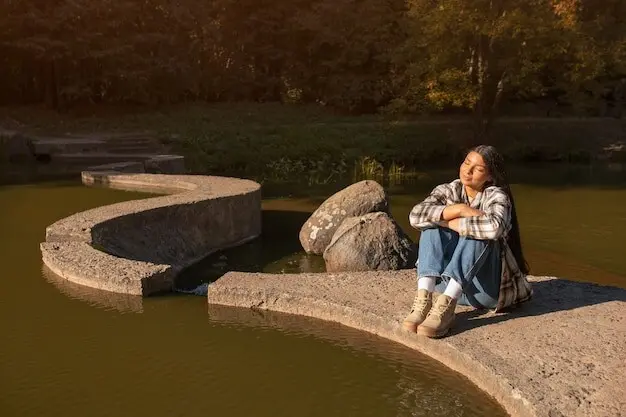
Skills pass best at a table where chips of wood, crumbs of bread, and sentences mix freely. Host gatherings that prioritize listening over impressing, and pair newcomers with patient mentors. Document processes, not just results, so memory outlives personalities. Invite readers to a monthly challenge, swap supplies, or write micro-essays about lessons learned. Strong communities are built from repeated kindness and shared effort.

Sustainable Footing: Materials, Ethics, and Pace

Choosing what to work with determines what kind of world we hand forward. Local fibers, repairable gear, and honest finishes reduce noise and waste while increasing pride. Slower purchasing shrinks regret. Share one swap you made—plastic to metal, synthetic to wool—and how it changed maintenance, comfort, or cost over a year. Invite questions about sourcing, because transparency sharpens collective discernment and courage.

Choosing Wool, Wood, and Honest Metals

Wool breathes, resists odor, and prefers repair to replacement. Wood stores memories and carbon simultaneously, asking only oil and attention. Steel stays teachable on a stone. Research local mills, lumberyards, and smiths. Share suppliers you trust, and one splurge that outlasted three cheaper versions. Explain the sensory difference it made—temperature, grip, or smell—so others can evaluate value beyond hurried price tags.

Repair as Everyday Protest

Stitching a seam becomes a vote for continuity; patching a pan handle interrupts the churn of discard culture. Keep a repair log with dates and notes, building pride into your ledger. Post one item you fixed today, including the mistake you made mid-process, and what you learned. Invite readers to a monthly repair tally, proving small acts aggregate into measurable environmental and emotional resilience.
Farivexonovimexo
Privacy Overview

This website uses cookies so that we can provide you with the best user experience possible. Cookie information is stored in your browser and performs functions such as recognising you when you return to our website and helping our team to understand which sections of the website you find most interesting and useful.